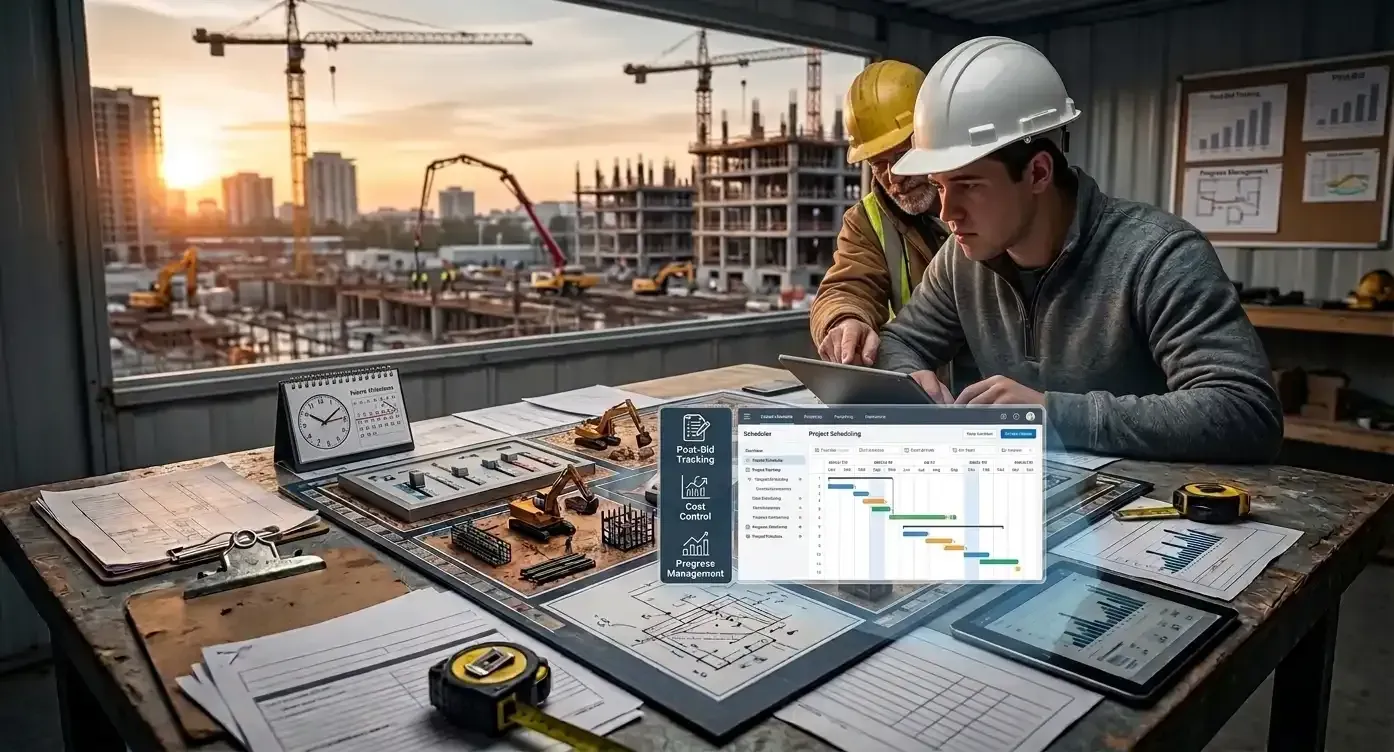
What happens in the field stays in the field”. What Does That Really Mean?
“What happens in the field stays in the field.”
That was something said to me many times throughout my career.
Sure, part of it was the old-school mentality of no ratting on each other. But there was a much bigger message behind it.
We hired you to produce results. Stop complaining about every problem, figure it out, and get the job done without escalating it.
You were trusted with a position because someone believed you could handle it. Problems were expected. Difficult personalities were expected. The plan changing was expected. Things going sideways at 6:30 in the morning were definitely expected.
Your job wasn’t to make every one of those problems someone else’s problem. Your job was to handle them!!!
I think we’ve lost some of that mentality in construction.
Not because people today are less capable. I don’t believe that. I think in many cases we’ve created environments where people have become more comfortable escalating problems than solving them.
Something happens in the field and the first instinct becomes to send an email, schedule a meeting, copy three more people, call the PM, call the Operations Manager, and make sure everyone knows there is a problem.
Meanwhile, the problem is still sitting there.
There’s a Difference Between Communicating and Escalating
I’m a huge believer in communication. Nobody should hide a serious safety issue, contractual exposure, major cost problem, or something genuinely outside their authority.
But every problem doesn’t belong three levels above you.
A Superintendent having an issue with a subcontractor should first be thinking, how do I solve this?
A PM dealing with a difficult client should first be thinking, how do I manage this relationship and protect the project?
An Estimator who sees risk in a pursuit should be thinking, what do I recommend we do about it?
There’s a big difference between walking into your boss’s office saying, “We have a problem. What do you want me to do?” and saying, “We have a problem. Here’s what happened, here’s the exposure, and here’s what I think we should do.”
The second person is developing into a leader.
Problems Are Part of the Job
Construction is messy. It always has been.
Schedules change. People don’t show up. Deliveries are late. Owners change their minds. Subs fall behind. Drawings conflict. Production doesn’t hit the estimate. Someone makes a mistake.
If your definition of a good day is that none of those things happen, you picked the wrong industry.
The people who become valuable in this business aren’t the people who somehow avoid problems. They’re the people everyone trusts when problems show up.
They stay calm. They gather the facts. They understand the consequences. They make a decision. And most importantly, they keep the job moving.
That ability isn’t developed by constantly handing problems to someone else.
Maybe We Need to Start Teaching This Again
When we promote someone to PM, Superintendent, Estimator, Project Executive, or Operations Manager, we’re not just giving them a bigger title.
We’re giving them problems that are now theirs to own. Do they know that?
That means companies also have a responsibility to give people enough authority to actually solve them. You can’t demand ownership from someone and then second guess every decision they make.
But once that authority is there, there has to be an expectation that comes with it.
Figure it out.
Not recklessly. Not secretly. Not by hiding problems until they become disasters.
But use your experience. Use the people around you. Understand the risk. Develop a solution. Make the call when it’s yours to make.
And when something truly does need to move upstairs, don’t just bring the problem.
Bring your recommendation with it.
Maybe “what happens in the field stays in the field” sounds a little old school today.
But the lesson behind it shouldn’t be.
You weren’t hired to report problems. You were hired to help solve them.
Gerard Aliberti
Pro-Accel,
Owner
EXCITING NEWS
Join our FREE Facebook Peer Group called Builder to CEO. I don’t know about you but I’m tired of the LinkedIn Algorithms and people fearing they’ll post something someone would reject. This peer group is built for ALL construction professionals both managers and owners. Let’s have meaningful conversations without the algorithm dictating who sees the post and without the fear of rejection. Looking forward to see you in the room! Link to the page is here. https://www.facebook.com/groups/builertoceo
ALSO, check out the new updated website at www.pro-accel.com. We updated the training page, pricing, speaking, and more.
Ways We Can Work Together
Employee Performance Training. Role-specific training for PMs, Estimators, Superintendents, Field Engineers, and emerging leaders. The focus is practical. Better decision-making, stronger ownership, greater accountability, and employees who understand how their role impacts project and company performance.
Operational Performance Advising. For contractors who know things could run better but need an experienced outside perspective to identify where performance is breaking down. We work through leadership, accountability, communication, project controls, team structure, and the operational issues affecting profit and growth.
Fractional Operations Leadership. Senior-level operational support without adding another full time executive. I work alongside ownership and leadership to strengthen how the company operates, develop the people already in place, clarify responsibilities, and reduce how much has to find its way back to the owner.
Leadership and Organizational Development. As contractors grow, the people and structure that got them here may not be enough to get them where they want to go. I help develop stronger leaders, clarify who owns what, and build a team capable of taking on more responsibility as the company grows.
The goal across all of it is pretty simple. Better people. Better decisions. Better operations. Better results.
If any of this sounds like something your company is working through, reply to this email and let’s talk.