Why Would You Train Your Replacement? | Leadership Myth
What happens when the very thing that makes someone feel secure in their job becomes the thing holding your company back?
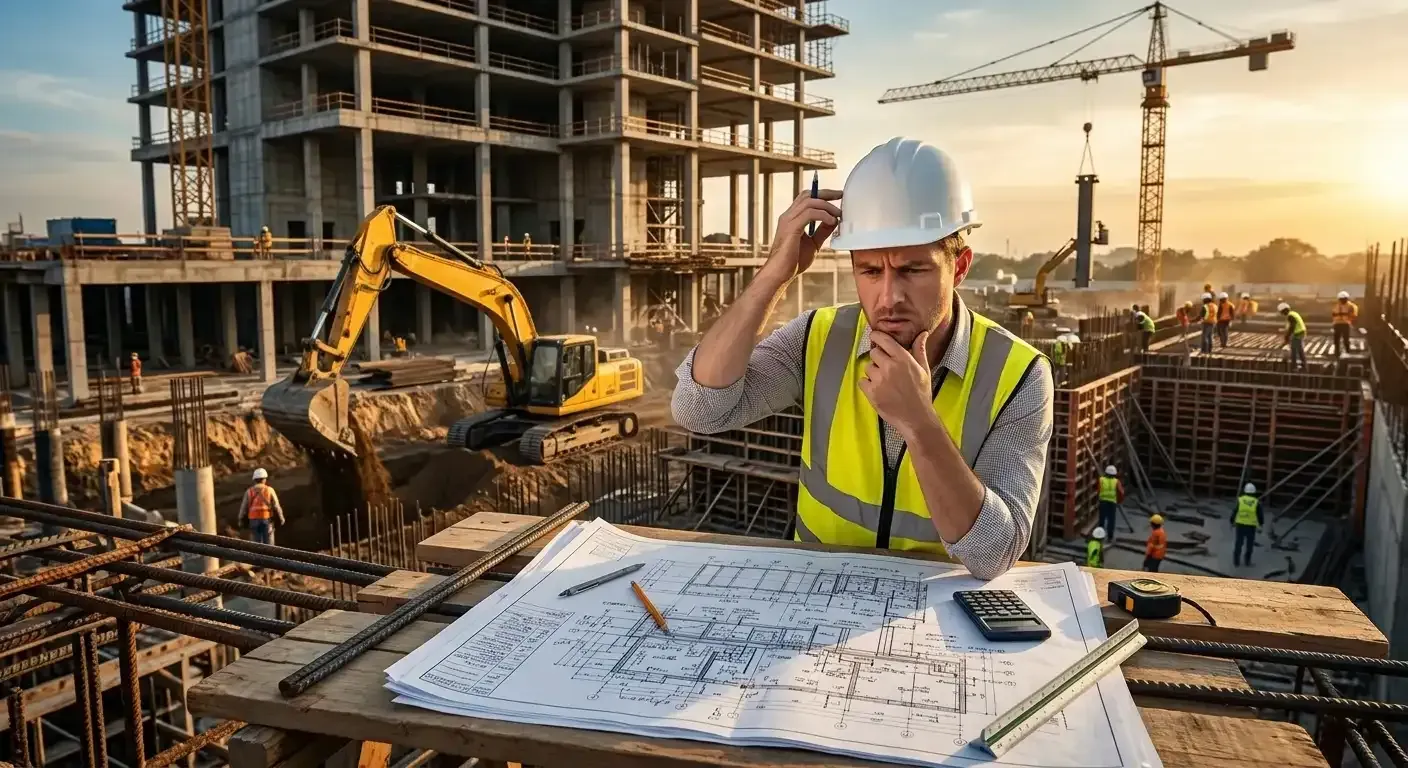
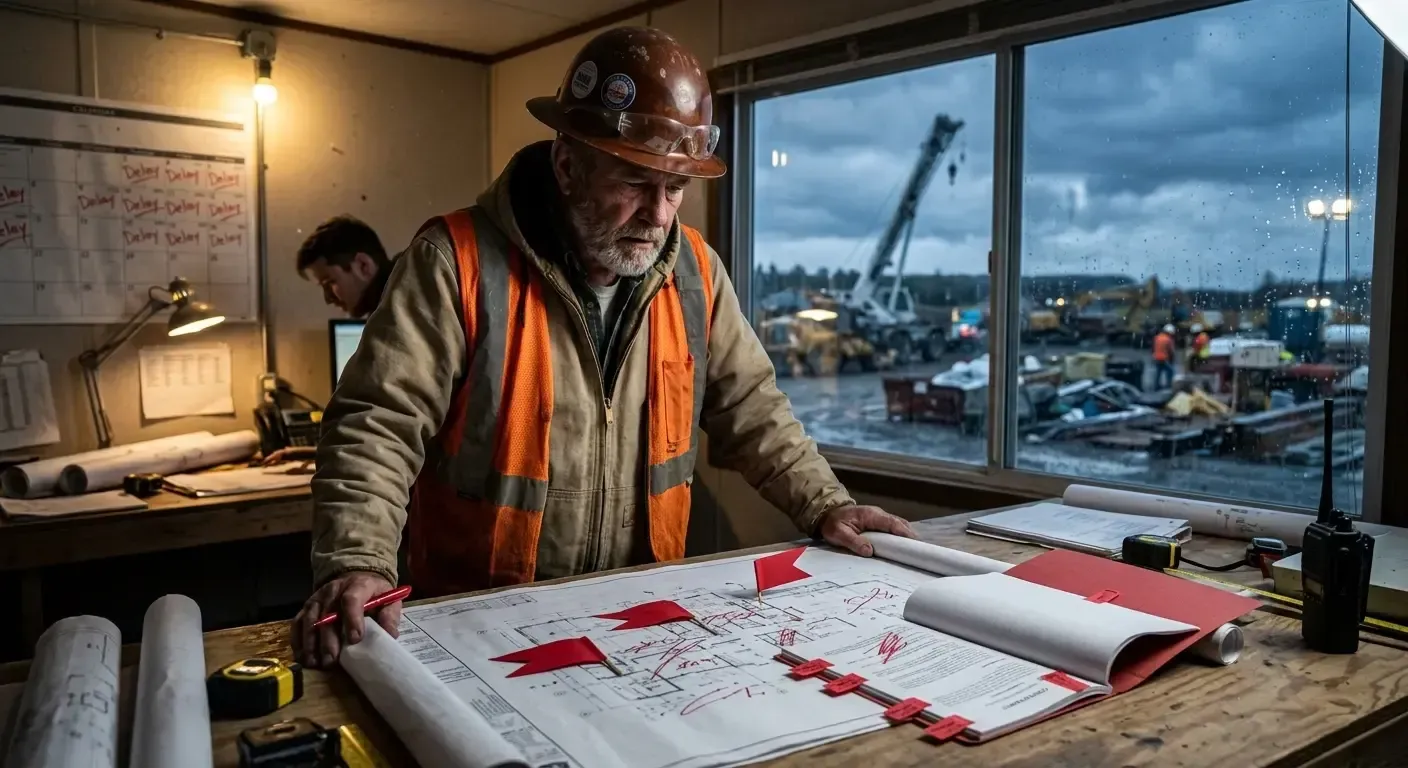
Imagine spending 25 years becoming one of the most valuable people in a construction company. You know the customers, the projects, the people, and how to handle problems that would overwhelm someone with half your experience.
Everyone depends on you. When something goes wrong, you're the person they call.
Now your boss wants you to start teaching someone younger everything you know.
Someone who makes considerably less money.
Would you be excited about that?
I think most experienced construction professionals genuinely want to help younger people succeed. But I also believe there's a side of human behavior we tend to overlook when talking about developing the next generation.
People want to feel needed. They want financial security. And they certainly don't want to spend years making themselves easier to replace.
The psychology of being indispensable.
There's a certain amount of security that comes with being the person everyone depends on.
You know things other people don't. You have relationships others haven't developed. You've experienced situations younger employees haven't encountered.
That experience gives you value.
But it can also create an interesting conflict.
If your value comes from being the only person who knows how to do something, what happens when you teach someone else?
You might become less essential.
I'm not suggesting experienced managers are deliberately withholding information. Some are overwhelmed, some aren't particularly good at teaching, and others simply haven't been given the time to develop people properly.
But I do think fear plays a bigger role in workplace behavior than most of us realize.
Especially in construction, where employment can depend heavily on the next six months of backlog.
When work slows down, owners have to make difficult decisions. Sometimes that means reducing overhead and eliminating positions.
That's business. I've been around construction long enough to understand that.
But employees understand it too.
And when someone has spent decades building a career, supporting a family, and working toward retirement, protecting their position becomes pretty important.
What owners might be overlooking.
I've worked with some incredibly talented construction professionals throughout my career.
People who could estimate complicated projects, manage difficult customers, and solve problems that others wouldn't know where to begin.
But being exceptionally good at your job doesn't automatically make you good at developing someone else.
And here's something I've always found interesting.
We tend to reward the people who have all the answers.
The superintendent who can solve anything. The project manager who handles the toughest customers. The estimator who knows every detail of the work.
When problems arise, everyone goes straight to them.
Over time, the company becomes increasingly dependent on those individuals.
And because they're so good at what they do, nobody questions it.
But what if part of the reason everyone depends on them is that nobody else has been given the opportunity to develop the same judgment?
What if the company has spent years rewarding people for being indispensable without considering whether they're making anyone around them more capable?
There's a difference between having great employees and having an organization that develops great employees.
The cost of depending on a few good people.
Consider a contractor generating $50 million annually.
They have several experienced managers who've been with the company for years. These are the people who keep projects moving, handle difficult decisions, and make sure problems get resolved.
The owner trusts them, and for good reason.
But what happens when one retires?
Or accepts an offer from another contractor?
Or simply decides they've had enough?
Suddenly, the company realizes how much knowledge was concentrated in one person.
The younger managers aren't ready. The owner gets pulled back into daily operations. Projects become harder to manage, and finding a replacement with comparable experience can take months.
And even after hiring someone, there's no guarantee they'll have the same judgment or relationships.
That's a significant business risk.
Yet it's rarely treated with the same urgency as project schedules, cash flow, or backlog.
The question I'd be asking.
I don't believe owners should guarantee lifetime employment. Nor do I believe experienced employees should be expected to give away decades of knowledge without considering their own careers.
Both sides are making decisions based on what they believe is best for their future. I don’t care how great you think your culture is, humans will always try to protect themselves.
But I do believe owners need to understand how those concerns influence behavior inside their companies.
An experienced manager might genuinely believe they're helping the business by personally handling every difficult situation.
And the owner might genuinely believe they're getting tremendous value from that person.
They may both be right.
But if nobody else is becoming more capable in the process, the company could be building a dependency that becomes more expensive every year.
One of your most valuable employees could also represent one of your biggest operational risks.
It’s because so much of the company's ability to perform depends on what happens to be inside their head.
I've spent a lot of my career helping construction professionals become better at what they do, and this is one of the challenges I believe deserves more attention as experienced people continue retiring from the industry.
Through Pro-Accel, I work with contractors to develop stronger managers and improve how their people work together.
But before talking about training programs, I'd encourage owners to consider one question.
If your three most experienced managers left tomorrow, would you still have the same company?
Gerard Aliberti
Pro-Accel,
Owner
EXCITING NEWS
Join our FREE Facebook Peer Group called Builder to CEO. I don’t know about you but I’m tired of the LinkedIn Algorithms and people fearing they’ll post something someone would reject. This peer group is built for ALL construction professionals both managers and owners. Let’s have meaningful conversations without the algorithm dictating who sees the post and without the fear of rejection. Looking forward to see you in the room! Link to the page is here. https://www.facebook.com/groups/builertoceo
ALSO, check out the new updated website at www.pro-accel.com. We updated the training page, pricing, speaking, and more.
Ways We Can Work Together
Employee Performance Training. Role-specific training for PMs, Estimators, Superintendents, Field Engineers, and emerging leaders. The focus is practical. Better decision-making, stronger ownership, greater accountability, and employees who understand how their role impacts project and company performance.
Operational Performance Advising. For contractors who know things could run better but need an experienced outside perspective to identify where performance is breaking down. We work through leadership, accountability, communication, project controls, team structure, and the operational issues affecting profit and growth.
Fractional Operations Leadership. Senior-level operational support without adding another full time executive. I work alongside ownership and leadership to strengthen how the company operates, develop the people already in place, clarify responsibilities, and reduce how much has to find its way back to the owner.
Leadership and Organizational Development. As contractors grow, the people and structure that got them here may not be enough to get them where they want to go. I help develop stronger leaders, clarify who owns what, and build a team capable of taking on more responsibility as the company grows.
The goal across all of it is pretty simple. Better people. Better decisions. Better operations. Better results.
If any of this sounds like something your company is working through, reply to this email and let’s talk.