Your Managers Have Learned How to Manage You
One of the more interesting things I learned throughout my construction career had very little to do with construction itself. It was understanding people.
After working alongside someone for several years, you start to understand how that person thinks, reacts to problems, makes decisions, and handles difficult conversations. You learn what frustrates them, what impresses them, and what they're willing to overlook.
I experienced this with many of the executives I worked for throughout my career. But what I found particularly interesting was watching how other managers used that familiarity to their advantage.
Some knew exactly what to say, how to present a problem, and which explanations would satisfy leadership. And the longer those professional relationships existed, the better they became at it.
People Learn What You Accept
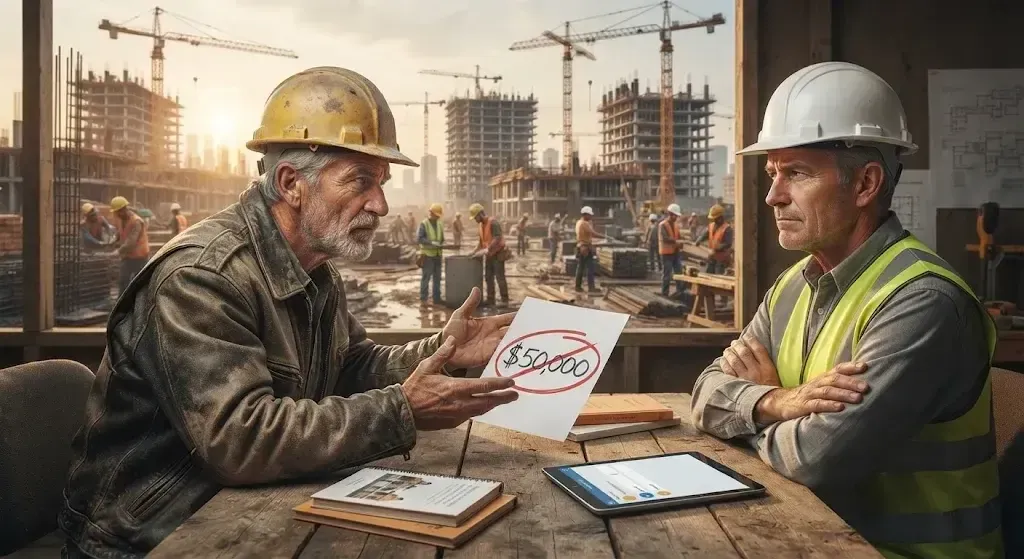
Think about a project manager who consistently explains poor production by pointing to difficult site conditions, inadequate manpower, or problems with subcontractors. These are all legitimate challenges in construction.
But how often does the conversation go beyond those explanations? Does anyone challenge how the work was planned, how resources were allocated, or how effectively the management team responded when things started going wrong?
If the same explanations are accepted repeatedly, what do you think that manager eventually learns? More importantly, what incentive is there to develop better management practices?
I've come to realize that people don't just learn their responsibilities within a company. They also learn the boundaries of their accountability.
They learn which conversations are uncomfortable for leadership, which issues receive immediate attention, and which problems eventually get forgotten. And they learn all of this by observing how leadership responds.
When Familiarity Works Against You
One of the greatest strengths of an established construction company is the longstanding relationships between its people. But I also believe those relationships can become one of its greatest operational weaknesses.
Imagine working with the same project executive for 15 years. You've successfully completed dozens of projects together, navigated difficult situations, survived economic downturns, and helped build the company into what it is today. Naturally, there's a tremendous amount of trust.
But somewhere along the way, does that trust change the questions you're willing to ask? Do you challenge that person's performance the same way you would challenge someone who joined your company six months ago? Would you accept the same explanations from both individuals?
I find those questions particularly interesting because familiarity can gradually change our expectations without us even realizing it.
What once required an explanation now receives the benefit of the doubt. What once required improvement becomes an accepted personality trait. And what once would have been considered unacceptable becomes part of how the company operates.
Nobody necessarily intended for this to happen. It developed over years of working together.
The Problem Becomes More Visible During Growth
A construction company decides it wants to double its revenue over the next five years. Leadership recognizes that management practices need to improve, responsibilities need to become clearer, and departments need to operate more efficiently.
Everyone agrees.
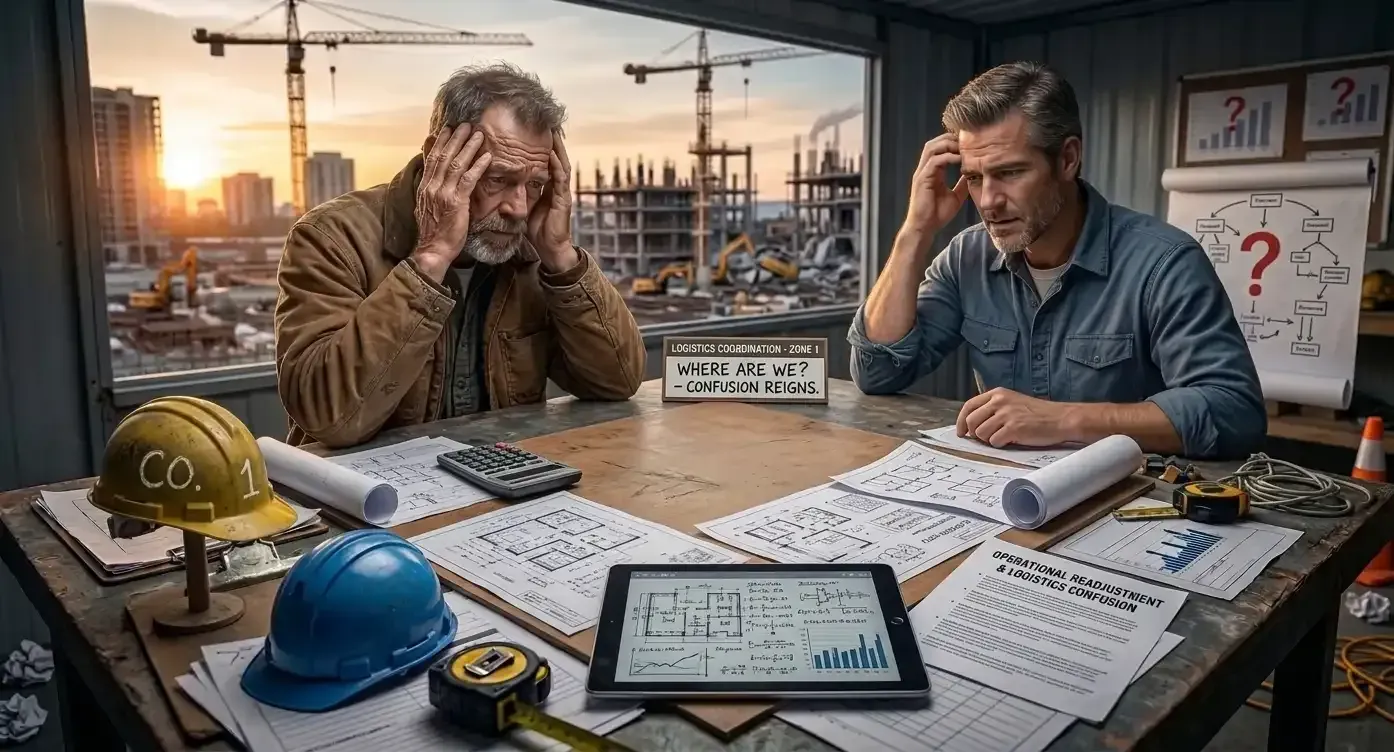
Then the company starts introducing changes. Suddenly, leadership encounters resistance from some of its most experienced and trusted managers.
Why?
Perhaps those managers have spent the last 15 years becoming exceptionally comfortable operating within the expectations leadership established. Now they're being asked to change behaviors that, until recently, nobody considered a problem. In some cases, those very behaviors helped them earn promotions and recognition.
This is where I believe executives need to look beyond individual performance and examine how the organization itself has shaped that performance.
You can't spend years accepting certain behaviors and expect people to abandon them overnight simply because the company's growth objectives have changed.
Looking Beyond Individual Performance
Throughout my 25 years in construction, I've become particularly interested in how relationships and leadership expectations influence management performance. It's something I pay close attention to today when working with contractors to develop their management teams and improve operational efficiency.
Before questioning whether your managers are capable of performing at a higher level, consider whether the environment they've worked in for years has actually encouraged them to do so.
Your managers may not be intentionally resisting improvement. They may simply be operating exactly as they've learned to operate within your company.
That brings me to a question I think every construction executive should consider.
After all these years of learning how to manage your people, have you ever considered how much they've learned about managing you?
All the best,
Gerard Aliberti
Pro-Accel,
Owner
EXCITING NEWS
Join our FREE Facebook Peer Group called Builder to CEO. I don’t know about you but I’m tired of the LinkedIn Algorithms and people fearing they’ll post something someone would reject. This peer group is built for ALL construction professionals both managers and owners. Let’s have meaningful conversations without the algorithm dictating who sees the post and without the fear of rejection. Looking forward to see you in the room! Link to the page is here.
https://www.facebook.com/groups/builertoceo
ALSO, check out the new updated website at www.pro-accel.com. We updated the training page, pricing, speaking, and more.
Ways We Can Work Together
Employee Performance Training. Role-specific training for PMs, Estimators, Superintendents, Field Engineers, and emerging leaders. The focus is practical. Better decision-making, stronger ownership, greater accountability, and employees who understand how their role impacts project and company performance.
Operational Performance Advising. For contractors who know things could run better but need an experienced outside perspective to identify where performance is breaking down. We work through leadership, accountability, communication, project controls, team structure, and the operational issues affecting profit and growth.
Fractional Operations Leadership. Senior-level operational support without adding another full time executive. I work alongside ownership and leadership to strengthen how the company operates, develop the people already in place, clarify responsibilities, and reduce how much has to find its way back to the owner.
Leadership and Organizational Development. As contractors grow, the people and structure that got them here may not be enough to get them where they want to go. I help develop stronger leaders, clarify who owns what, and build a team capable of taking on more responsibility as the company grows.
The goal across all of it is pretty simple. Better people. Better decisions. Better operations. Better results.
If any of this sounds like something your company is working through, reply to this email and let’s talk.