Should Your Field Team Be in the Room When You're Building That Bid
The Challenge
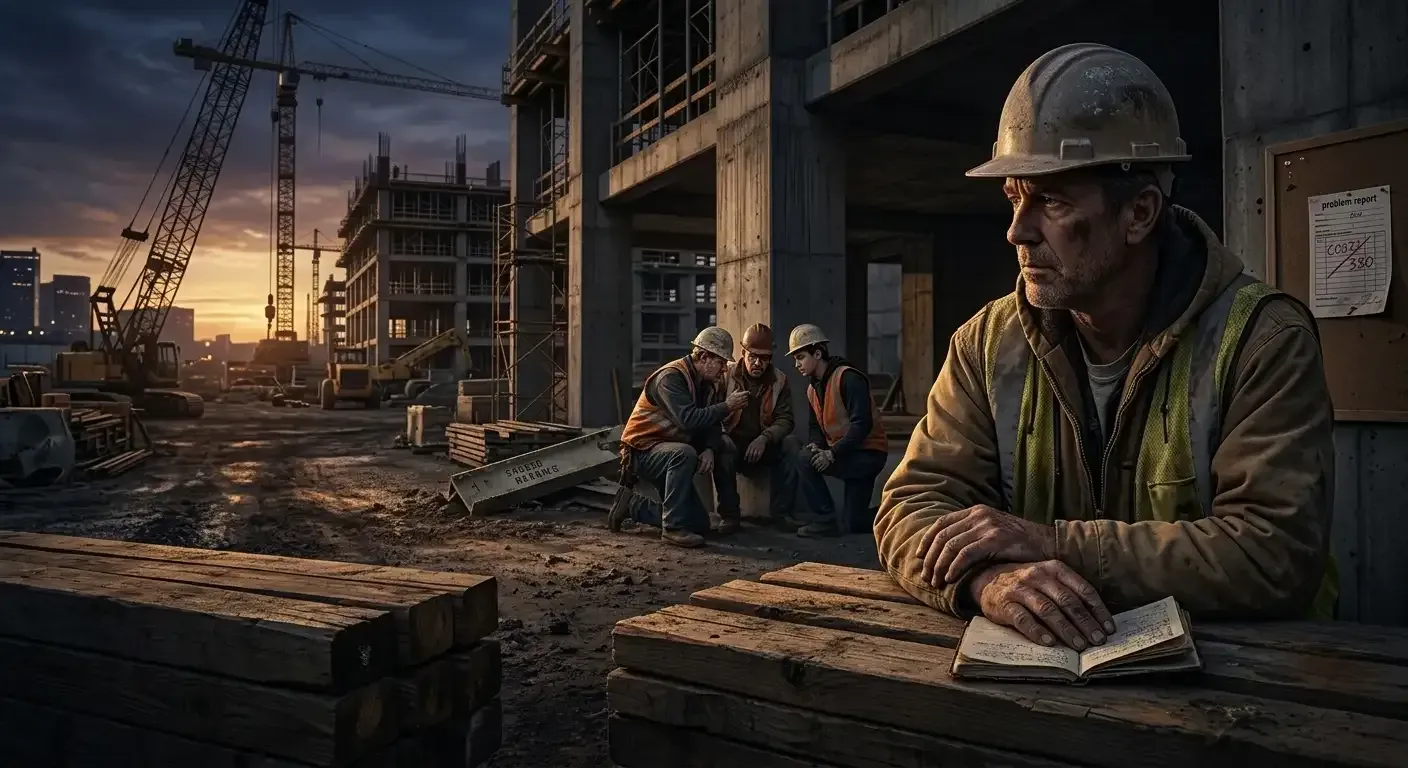
You're about to send out a big bid, and that same debate is running through your head again. Do you pull your best super or foreman into the estimate review, or will that just slow everything down and inflate the number? I get it. You know the field sees things estimators miss. They know what actually works on a job site versus what looks good on paper. But you also know what happens when you bring the wrong person into that room. Every line item gets the same response: add more time, add more money, add more crew. That's easy to say when you're not the one trying to win work in a market where everyone's cutting to the bone and schedules are more aggressive than ever. So you don't involve them. The estimate goes out, you win the job, and six weeks later, your supervisor is standing in your office telling you the plan won't work and demanding to know why nobody asked them before you sold it. Now you're stuck between needing their insight and not having a system that makes their involvement actually productive. And here's what I know from doing this for over two decades: if you don't have a structure for this, you're just guessing and hoping it works out.
The Impact
This disconnect is killing you, and I mean that literally when it comes to your profit and your sanity. Projects are more complex than they've ever been. Schedules are compressed beyond reason. Competition has driven profits down to where there's zero room for mistakes. Twenty years ago, you could figure things out as you went. Today, one bad assumption about means and methods or schedule can turn a winning project into a nightmare before you even break ground. But here's what really stinks when I see this happening. When your field leaders aren't in the estimating conversation, they don't own the numbers. So when problems show up, and they always do, it turns into finger-pointing. The estimator blames the field for not executing. The field blames the estimator for selling fantasy. And you're in the middle of it, trying to hold everything together while your profit evaporates and your best people get fed up. You're building a culture, whether you mean to or not, where nobody's actually accountable because they were never brought in early enough to own the outcome. And let me be clear about something. If you tolerate finger-pointing even once, you've told your entire team it's acceptable behaviour. Your future leaders, the people who should be learning to think strategically about this business, are instead learning how to cover their ass and pass the blame. That's not succession planning, that's breeding mediocrity. Meanwhile, you're grinding harder than ever, and the business isn't growing because you don't have a system that develops people who think like owners.
The Shift
After 22 years in this business and working across estimating, project management, and field operations, I've seen what works and what doesn't. Here's what I know for certain. First, you need to know who's running the project before you bid on it. Not after you win. Before I hear every excuse in the book for why contractors don't do this, and frankly, it drives me crazy. Think about it like opening a restaurant without knowing who your chef will be. That's insane. Your PM and super are the face of your business to the client; they're the ones who will either protect or destroy the profit you're bidding, and you're leaving that decision until after you've already committed the number? That's not a strategy, that's gambling. I understand if you’re a really small business winning 20 bids a year, but if you’re a mid-market and larger contractor who only picks up a few bids a year, this is unacceptable.
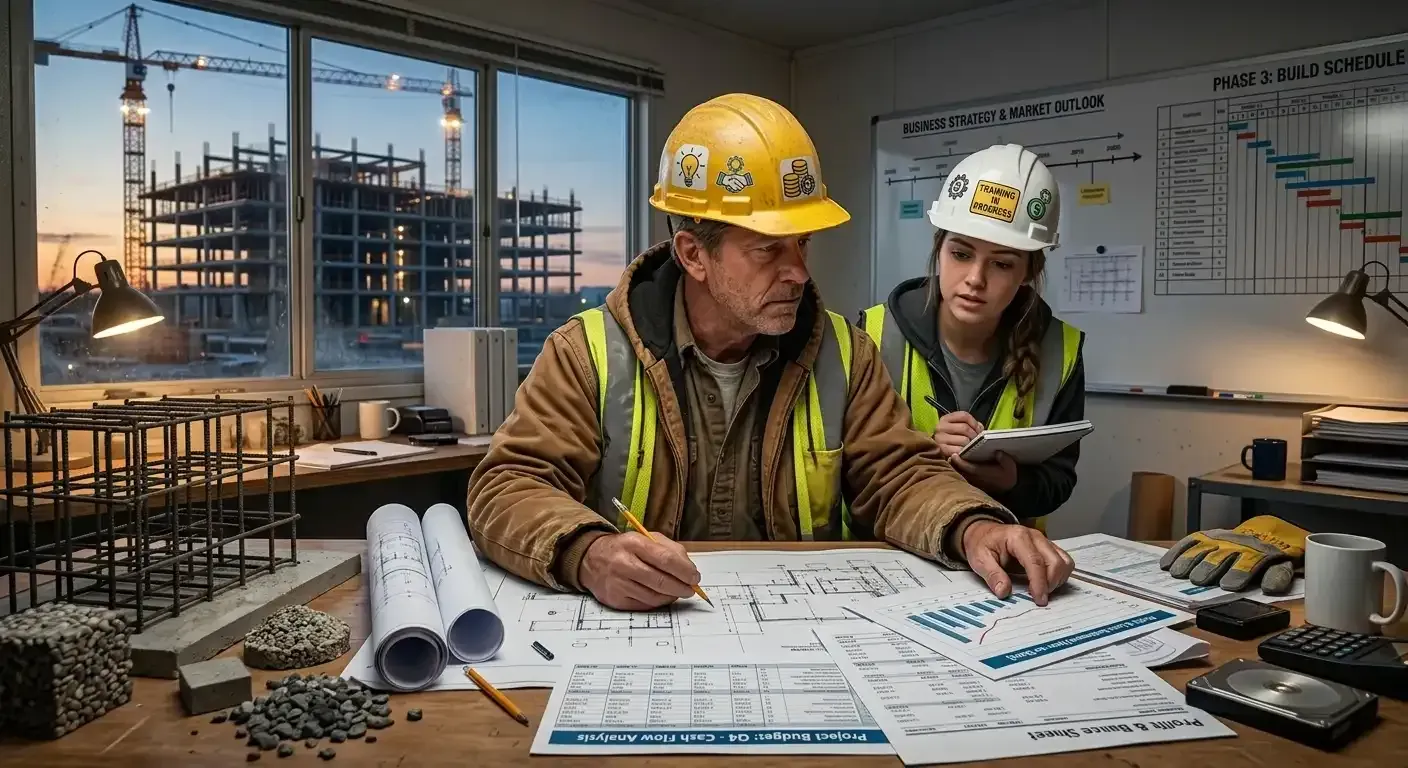
Second, you need to be selective about which field leaders get involved in the estimating process. Not everyone belongs in that room. You're looking for the people who are built differently, the ones who understand that winning bids are hard, who hold themselves accountable to budgets, and who think beyond just their piece of the project. If you don't have people like this, that's a leadership development problem you need to solve. Your goal is to have all PMs competent enough to be in the bid room.
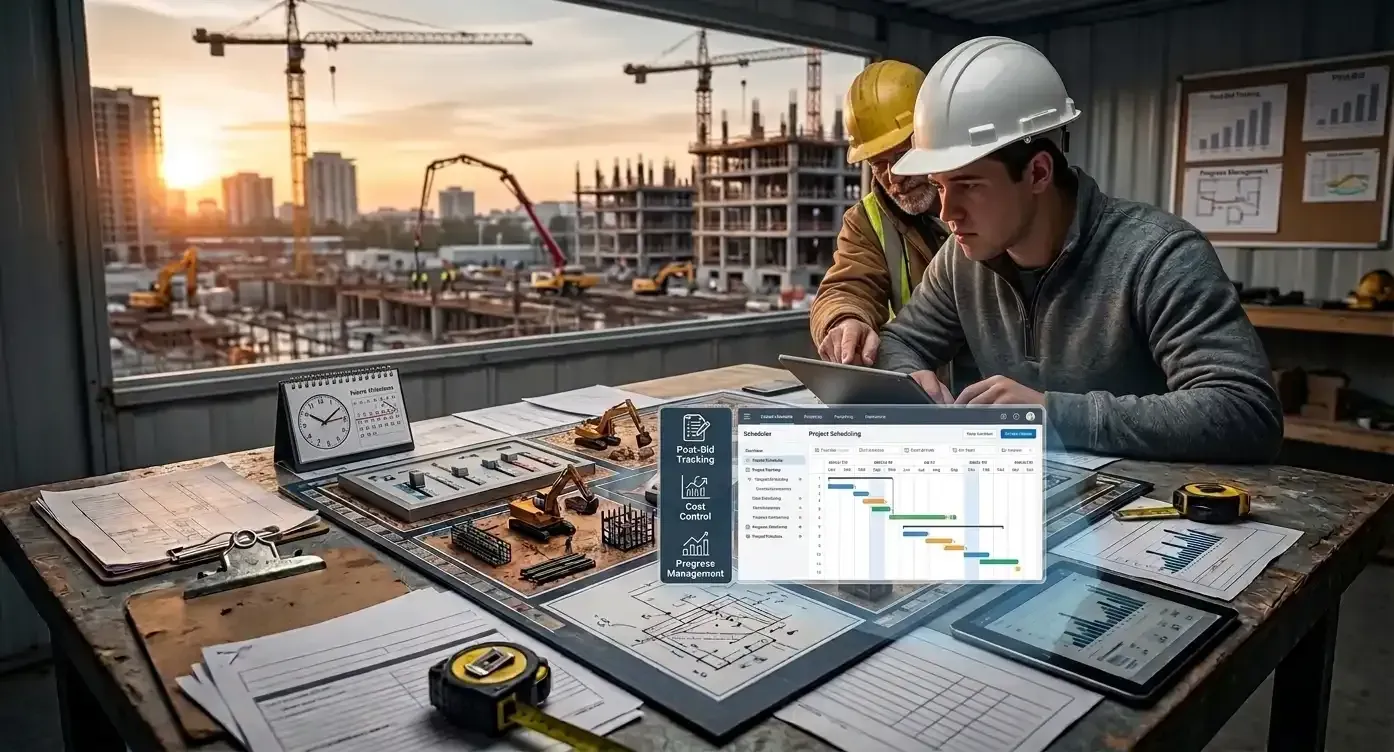
Third, their involvement needs structure. This can't be long, unproductive meetings where everyone throws in their two cents. It needs to be lean, focused sessions with clear agendas that cut straight to execution risk. You're pressure-testing the estimate against field reality to make sure what you're selling can actually be built for the price you're charging.
And finally, cross-training matters more than most people realize. Your estimators need to understand what it takes to execute in the field. Your field leaders need to understand the market pressures and competition that drive estimating decisions. When both sides see the full picture, you stop getting territorial finger-pointing and start building a culture where people think like owners. This isn't fluff for me. I've lived in every one of these seats, and I've seen how transformative this approach can be when done right.
The Closing
Construction isn't the same business as it was twenty years ago, when you could figure things out as you went and still make good money. The complexity has increased, the profits have compressed, and the stakes are higher than ever. The old way of running things, where estimating and field execution operate in separate worlds, doesn't work anymore. The companies that are thriving right now are the ones that have built structures for collaboration, accountability, and leadership development. They're not just trying to win the next bid; they're building organizations that can scale profitably with people who think strategically about the business. This isn't about working harder; it's about working smarter with a system that develops your people and protects your profit. If you're still running things the old way, the market will eventually force you to change. The question is whether you'll do it proactively while you still have the profit and the team to make it happen, or reactively when you're already bleeding and scrambling to survive.
Gerard Aliberti
Pro-Accel,
Owner
- If you're struggling to bridge the gap between your estimating and field teams or trying to develop your next generation of leaders, let's have a conversation about what's possible. Reach out to jerry@pro-accel.com to discuss how Pro-Accel's Executive Coaching can help you build the structure and culture your business needs to scale profitably.
- Enjoying this newsletter? Please pass it along to your colleagues and friends, and have them sign up here: https://www.pro-accel.com/#Newsletter
- If you like Jerry's insights, follow him on LinkedIn here linkedin.com/in/jerry-aliberti